
What Most Visitors Eat (And Why You Shouldn’t)
It usually starts with good intentions.
You arrive, maybe a little hungry, maybe a little tired, and you do what makes sense: you look for something recognizable. A steak. An empanada. Something you’ve heard about before.
You order what feels right. And in most cases, it is. Just not for the reasons you think.
Most visitors don’t eat badly in Buenos Aires. They eat predictably. They follow a pattern:
order the same cuts
go to the same types of places
repeat the same meals
It works. It’s safe. It delivers what was expected.
And that’s exactly the problem.
Take steak.
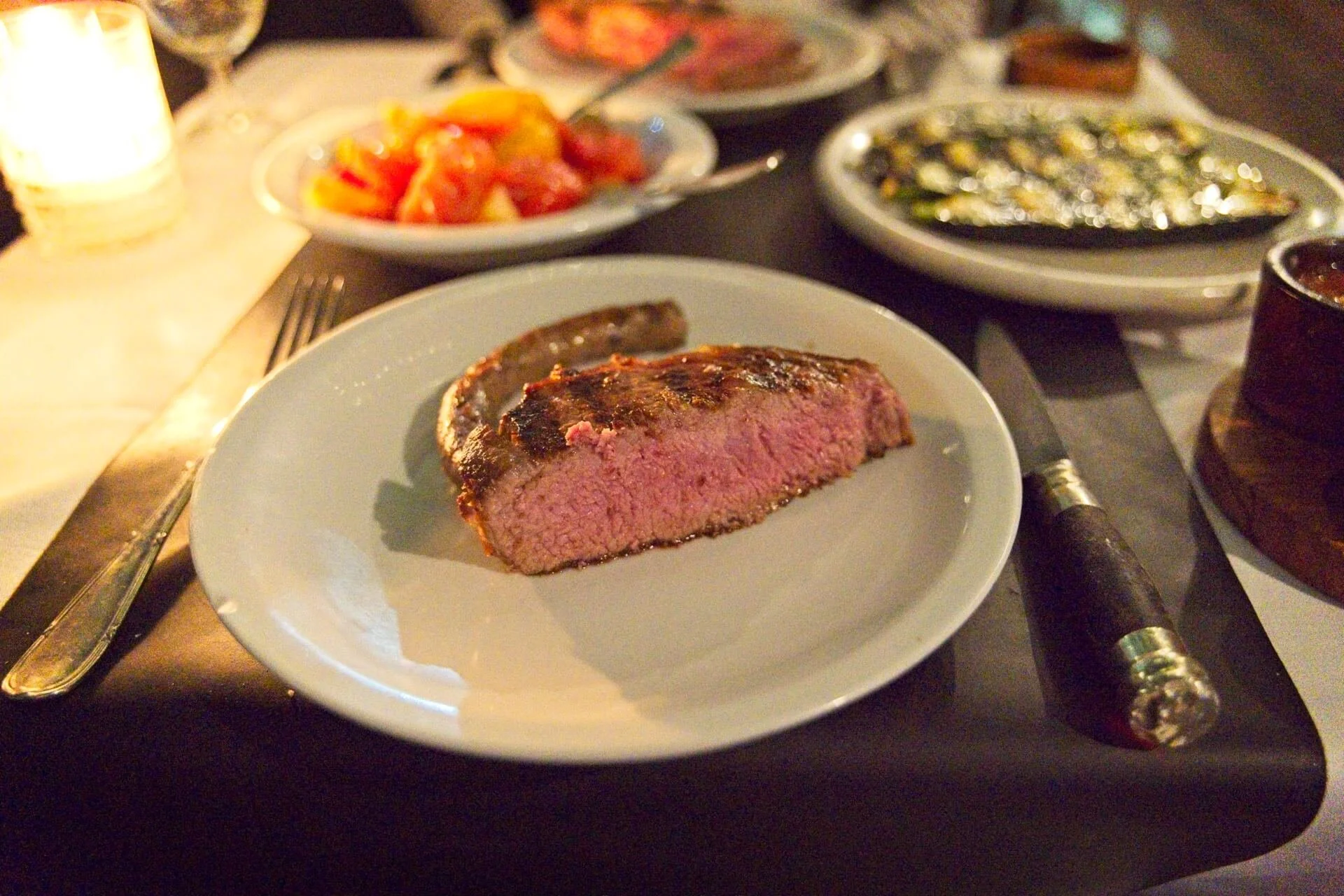
The reference point is usually clear: bife de chorizo, ojo de bife. Cuts that appear on every menu, easy to identify, easy to recommend.
They’re good. But when everyone orders the same thing, something gets lost. You end up experiencing a category, not a place.
Or empanadas.
Most people try one. Maybe two. Often from somewhere convenient—on the way, between plans, without much thought. They check the box.
But empanadas aren’t a single experience. They shift depending on where you are, who’s making them, what role they play in the meal. Trying one quickly tells you almost nothing.
Then there’s the way meals are structured. Visitors tend to isolate dishes. A steak here. Dessert somewhere else. Maybe something in between. Each decision is made independently, often based on what’s nearby or what looks appealing in the moment.
Nothing wrong with that. But that’s not how eating here actually works.
Meals in Buenos Aires have a rhythm.
They build.
There’s a way things start, a way they develop, a way they slow down. Certain dishes make more sense in certain moments. Certain combinations reveal more than others.
When you remove that structure, everything becomes interchangeable.
Good, but disconnected.
Another pattern is familiarity.
When something feels slightly unfamiliar—an ingredient, a cut, a preparation—it’s often skipped in favor of something easier to understand. Which means the experience stays within a narrow range. Comfortable, but limited. None of this leads to a bad trip, though.
You’ll eat well. You’ll have moments that stand out. You might even feel like you’ve done it right. But there’s a difference between eating well and understanding how to eat well in this city.
The shift isn’t about choosing completely different foods. It’s about choosing differently.
Paying attention to:
where something fits in the meal
why a place does it the way it does
how small variations change the experience
Once you start doing that, things open up.
The same dishes feel different. The same places reveal more. Meals stop being isolated decisions and start to connect. So what should you eat instead? Not something else.
The same things—just not in the same way.
That’s where most visitors go wrong.
Not in what they choose. But in how they choose it.
