
From First Bite to Last Drink: How the Tour Unfolds
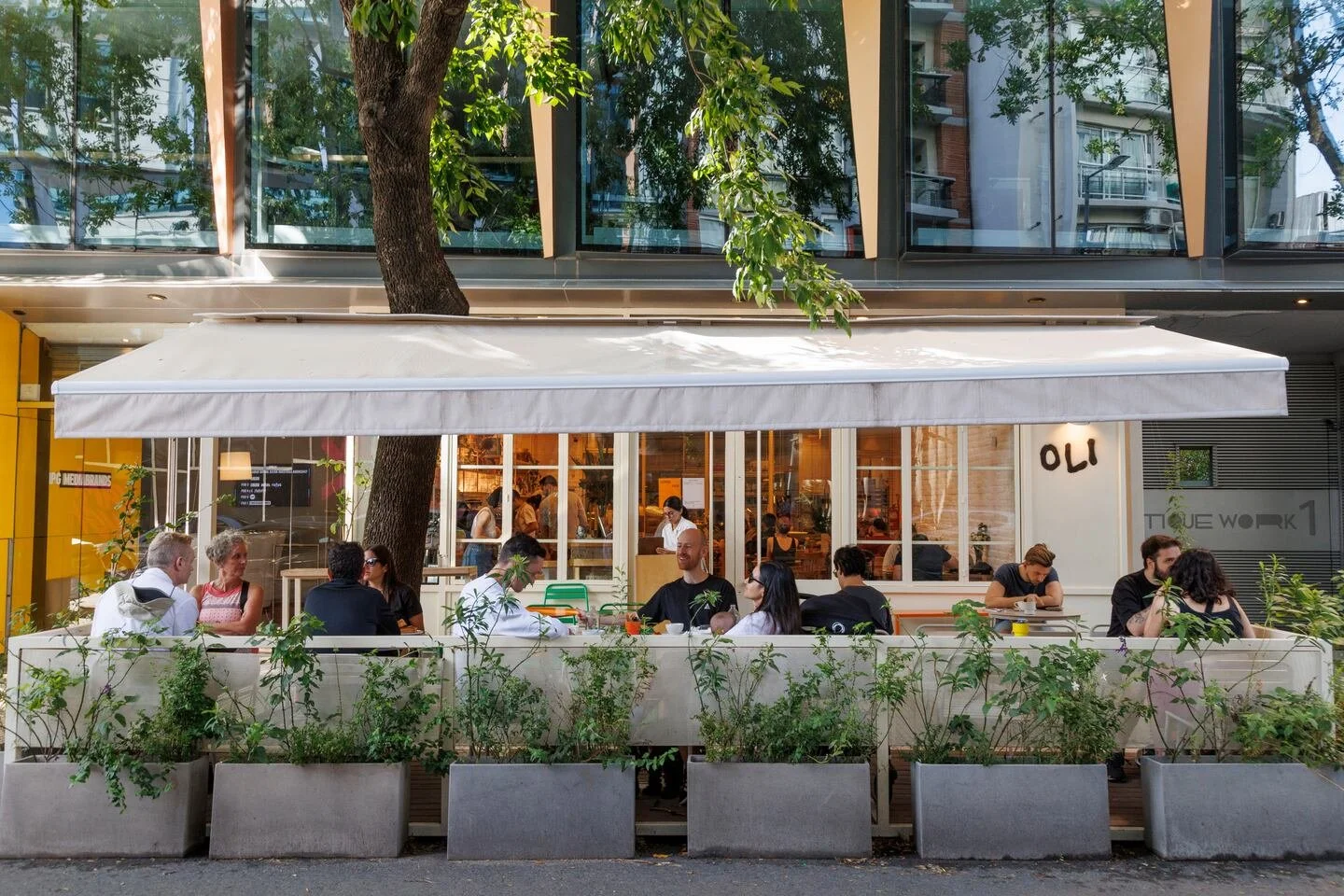
It doesn’t start where you think it does.
Not with the first bite, not even with the first stop—but with that brief moment of hesitation when everyone arrives and realizes they don’t quite know each other yet. There’s a pause. A quick scan of faces. A silent question: what did I sign up for?
And then it begins.
The first stop is intentional. Light, but not forgettable.
Something to ease into the rhythm—a vermouth, maybe, slightly bitter, slightly sweet, the kind of drink that resets your palate without announcing itself too loudly. There’s something small to go with it. Cheese, olives, something warm. You’re not full, not even close. That’s the point.
This isn’t about feeding you quickly. It’s about setting the pace. By the second stop, the group has shifted. People are talking now. Not in a forced way—no icebreakers, no scripted introductions—but naturally, the way conversations tend to unfold when there’s something good in front of you. Plates are shared. Someone reaches across the table without asking. It’s subtle, but it’s already happening: the table is becoming collective.
This is where you start to understand the difference.
You’re not moving through a checklist of places. You’re being guided through decisions—what matters, what doesn’t, what to pay attention to. Not everything is explained. Just enough.
Then comes the moment everything slows down. The parrilla.
You sit. Wine arrives. Not ceremonially, not with a speech—just placed on the table, opened, poured. The grill is already working somewhere in the background, out of sight. There’s no rush because there’s nothing to rush toward. This is the center of the experience, and it unfolds on its own time. Cuts arrive gradually. Not all at once.
You taste, you compare, you notice things you wouldn’t have noticed on your own. The difference between one cut and another. The way salt is used. The way heat has shaped the meat without overwhelming it. At some point, you stop analyzing. You’re just eating.
By now, something else has happened.
The group has changed shape. Conversations cross the table without effort. Someone orders another bottle without asking if anyone wants more. The structure of the evening is still there—but it’s faded into the background. This is where most people realize they’ve stopped thinking about the tour entirely. The last stop doesn’t try to compete with what came before.
It resets.
Something cold, usually. Something sweet, but not heavy. Ice cream, done the way this city does it—clean, precise, deceptively simple. Or something equally understated. Dessert here isn’t about spectacle. It’s about closing the loop.
By now, you don’t need much.
And then it ends the same way it started—quietly.
No big finish. No forced moment. People linger for a second longer than expected. There’s a brief hesitation again, but it’s different now. Numbers might be exchanged. Recommendations passed around. Someone asks where to go next. And then everyone moves on.
What stays with you isn’t just what you ate. It’s how it unfolded.
Not rushed. Not over-explained. Not designed to impress you at every turn—but to build something gradually, without drawing attention to itself.
By the time it’s over, you haven’t just tried a series of places.
You’ve experienced the city the way it actually works—through a table, over time, one decision at a time.
That’s the structure.
You just don’t notice it while you’re in it.
