
The Rhythm of Eating in Argentina
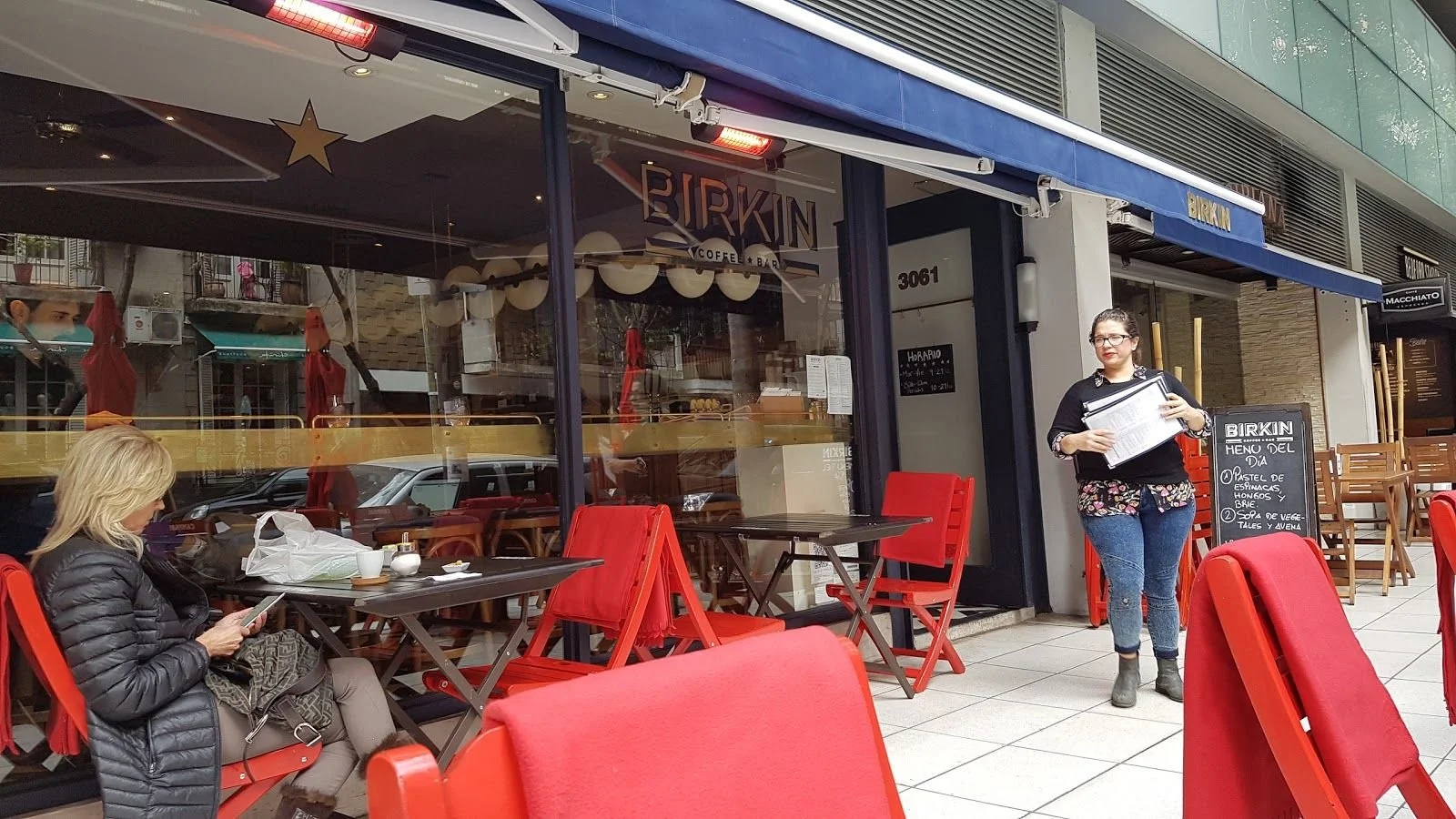
The first thing to understand is that Argentina doesn’t organize its meals around efficiency.
If you arrive expecting structure—quick lunches, early dinners, predictable rhythms—you’ll spend your first few days slightly disoriented, checking the time more often than necessary. Nothing is late here. It just runs on a different clock.
Lunch can stretch. Dinner begins when other countries are already done for the night. Restaurants don’t rush you because turning tables isn’t the priority. Sitting is.
And that changes everything.
You don’t eat just to eat. You stay.
There’s also the matter of portions—and what they mean.
In some places, abundance is about excess. Here, it’s closer to generosity. Plates are built to be shared, even when they’re not labeled that way. You’ll notice it quickly: a table where everyone is reaching across, cutting into each other’s food without asking too much permission.
It’s not a breach of etiquette. It is the etiquette.
If you order only for yourself, you’re doing it wrong—not socially, but experientially. You’re limiting the table to a single point of view.
Breakfast, on the other hand, barely qualifies as a meal.
Coffee—usually with milk—and something small on the side. Medialunas, toast, maybe a simple pastry. No one is building a day around protein intake. It’s a pause, not a statement.
If you’re used to heavier breakfasts, you’ll adjust. Or you’ll compensate later, which is what most people end up doing without realizing it.
Then there’s dinner.
Late, by almost any standard.
Nine is early. Ten is normal. Eleven isn’t unusual. What matters is not just when it starts, but how it unfolds. There’s no urgency to get through it. Courses arrive when they’re ready, not when you expect them. The table fills slowly.
Wine isn’t ordered strategically. It’s opened.
And once it is, the night extends naturally around it.
Service follows the same logic.
No one is interrupting your conversation every five minutes to ask if everything is okay. It’s assumed that it is—unless you say otherwise. If you need something, you ask. Until then, you’re left alone.
For some visitors, this feels like neglect.
It isn’t.
It’s respect for the table as its own space, not something to be managed.
You’ll also notice that not everything is optimized for variety.
Menus repeat themselves across the city. The same cuts, the same sides, the same desserts. At first, it can feel limited. Then you realize it’s intentional.
Argentina doesn’t try to be everything. It goes deep on a few things and lets them speak for themselves.
The differences are subtle: how a place grills, how it seasons, how it times the fire. You start to pay attention to those details because there’s nothing else distracting you.
And then there’s the rhythm that ties it all together.
You don’t plan your day around meals here.
Meals shape the day.
Lunch might extend into the afternoon. Dinner might erase the idea of an early night entirely. Plans bend around the table without much resistance. That’s not a lack of structure—it’s a different priority.
Time is flexible. The experience isn’t.
By the time you’ve adjusted, something shifts.
You stop checking the clock.
You stop thinking about what comes next.
You start letting the meal take its full shape.
And once that happens, you’re no longer just eating in Argentina.
You’re eating the way Argentina does.
