
Empanadas: Why Everyone Gets Them Wrong
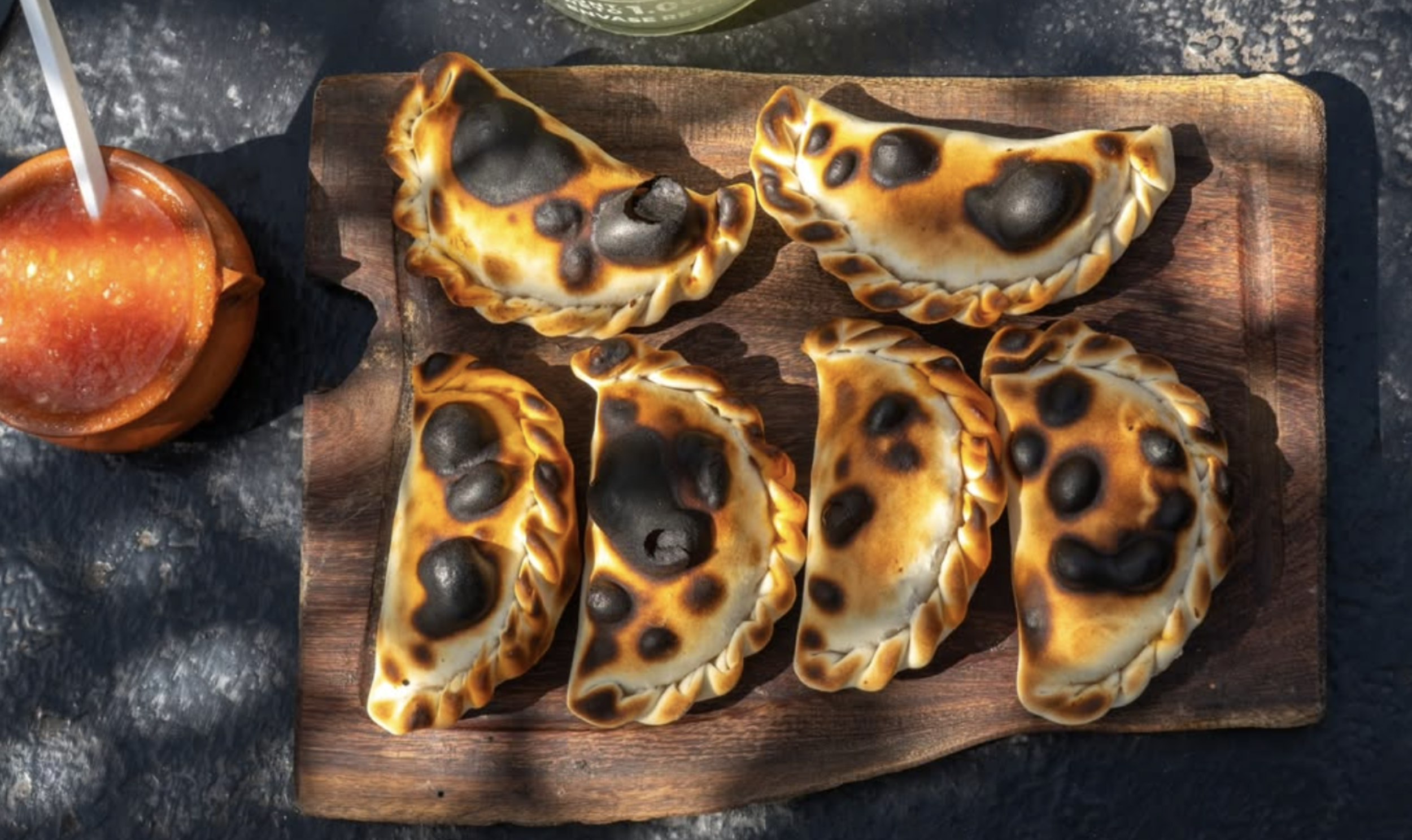
It looks simple enough.
Dough. Filling. Fold. Bake or fry. Eat. And that’s exactly why most people get it wrong. The mistake usually starts before the first bite, you order one—or two—thinking of them as a snack, something small to hold you over until the “real” meal arrives. Maybe you pick the safe option: beef. Maybe ham and cheese. Something familiar.
They show up. You eat them quickly.
And just like that, you’ve reduced one of the most deeply rooted foods in Argentina to something interchangeable.
Empanadas aren’t fast food.
They can be eaten quickly, yes. On a street corner, standing up, between places. But that’s not what defines them. What matters is not speed—it’s variation.
There is no single empanada.
Each region has its own version, its own logic:
Some are juicy to the point of collapse
Others are tighter, more structured
Some carry sweetness where you don’t expect it
Others lean heavily on spice, or fat, or dough
Even within Buenos Aires, what you’re eating changes depending on who’s making them—and why.
And then there’s the filling. The beef empanada people expect—the one they think they know—is usually the wrong reference point. It’s often imagined as minced meat, uniform, predictable. But a proper one doesn’t behave like that.
It has texture. Variation. Sometimes hand-cut beef instead of ground. Pieces of onion that haven’t disappeared into the mix. Maybe egg. Maybe olives. Occasionally raisins—controversial, but intentional. Nothing is there by accident.
The real difference, though, is harder to see. It’s in the balance:
Too dry, and it fails immediately.
Too wet, and it collapses.
Too seasoned, and it becomes noise.
Too mild, and there’s nothing to remember.
The good ones sit right in the middle—where everything holds together, but nothing disappears.
Most visitors never notice any of this.
They try one or two. Maybe from a place that looks convenient. Maybe from somewhere recommended online. And then they move on, thinking they’ve checked the box. Empanadas? Done.
But that’s like saying you’ve understood wine after one glass.
There’s also the question of when to eat them. Before a meal. During. Late at night. After a few drinks. They fit everywhere, but they behave differently depending on the moment. What feels like a quick bite at noon becomes something else entirely at midnight. Same food. Different role.
And then, quietly, without making a big deal about it, they start to make sense.
You notice which ones you prefer.
You recognize small differences.
You start ordering more than you planned.
Not because you’re hungry—but because now you’re paying attention. That’s when you realize the mistake wasn’t choosing the wrong place. It was thinking there was a “right” empanada to begin with. There isn’t.
There’s just the process of learning how to eat them.
And most people stop too early.
