
The Tourist Traps You Don’t Realize Are Tourist Traps
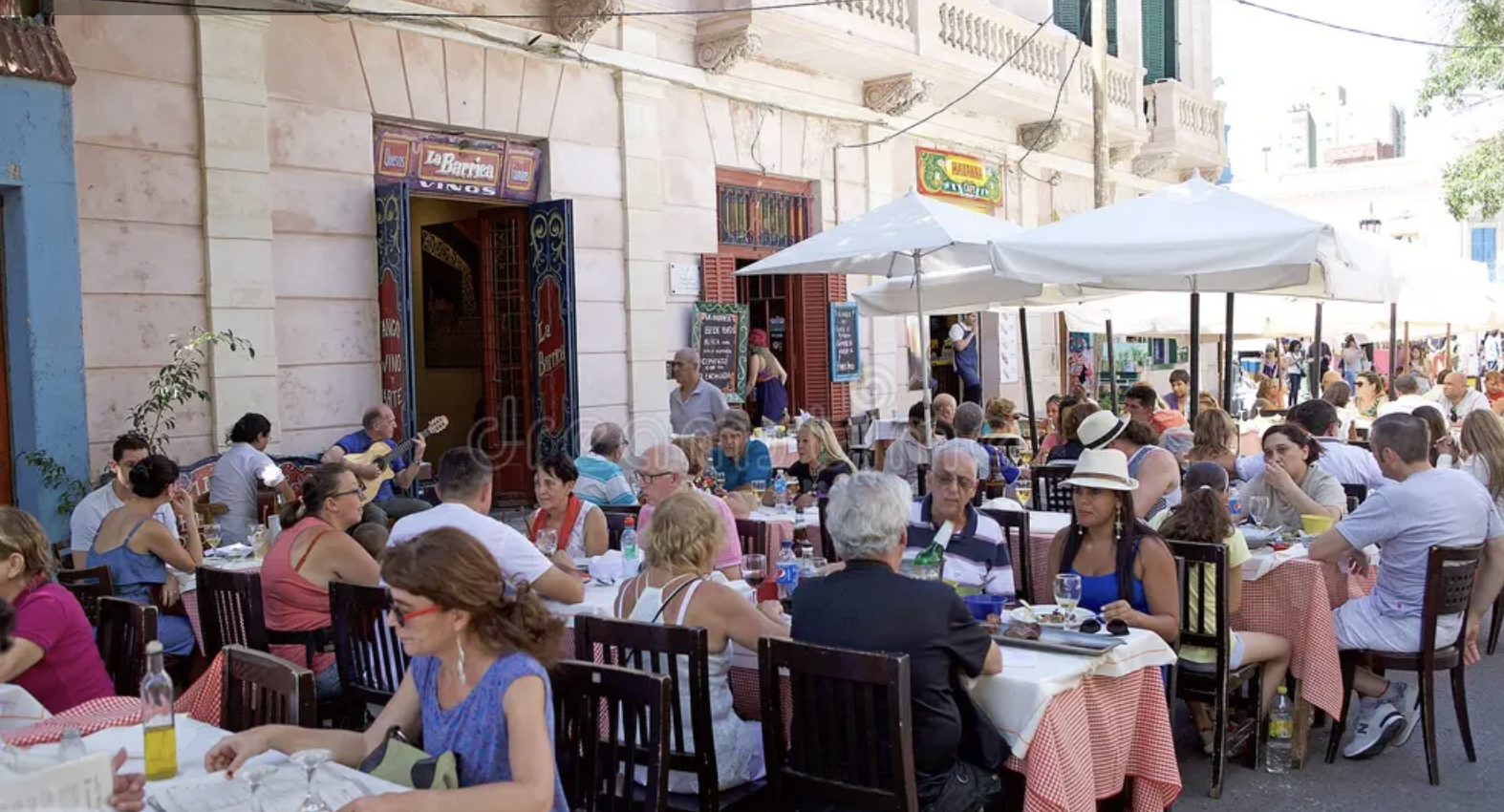
They don’t look like traps.
That’s the point.
No one is standing outside trying to pull you in. No one is promising the “best meal of your life.” In fact, most of these places look exactly like what you’re hoping to find—busy, well-lit, full of people, with menus that seem to cover all the bases.
You walk in thinking you’ve made a good decision. And in a way, you have. You’ll eat. It won’t be terrible. You might even enjoy it. But something is off.
Tourist traps here don’t announce themselves through low quality. They hide behind adequacy.
Food that’s good enough. Service that works. Atmosphere that feels familiar. Nothing goes wrong—but nothing really lands either. You leave without complaints. You also leave without remembering much.
One of the easiest ways to end up there is by following visibility.
Places that sit in the center of everything—on major streets, near landmarks, in areas designed to be navigated easily by visitors. They’re convenient. Predictable. You don’t have to think too much before walking in.
That convenience comes at a cost.
Menus become broader. Flavors become safer. The goal shifts from doing something well to doing something that works for everyone. And when everything works for everyone, very little stands out.
Another version is the place that looks “traditional.” Wooden interiors. Old photos on the walls. Waiters who move with a certain rhythm. It feels established, almost timeless. Sometimes it is. Other times, it’s a version of tradition that’s been preserved just enough to be recognizable—but adjusted to meet expectations rather than maintain standards.
The form remains. The intent shifts.
Then there’s the recommendation loop. Online lists, maps, rankings. Places that appear over and over again, reinforced by volume rather than precision. You start to see the same names repeated, and repetition begins to look like validation.
It isn’t always. High visibility often means consistency at scale. And consistency at scale tends to favor reliability over character.
Again—nothing wrong, but not necessarily worth your time.
The underlying pattern is subtle. These places aren’t trying to deceive you. They’re trying to work for as many people as possible. That’s what makes them appealing—and what limits them at the same time.
Good places here don’t always signal themselves clearly. They’re not optimized to be found quickly. They’re not designed to explain themselves at a glance. You might walk past them without noticing. You might hesitate before going in. They require a bit more attention. A bit more trust.
This is where most visitors run into trouble. Not because they choose badly—but because they choose logically.
They look for:
high ratings
central locations
menus that feel familiar
places that seem easy to understand
All reasonable decisions. And all of them pointing in the same direction.
The difference isn’t dramatic. You won’t go from a bad meal to a great one. You’ll go from something that works… to something that stays with you. Tourist traps, in this sense, aren’t about being fooled. They’re about settling without realizing it.
And the only way to avoid them isn’t by looking harder.
It’s by knowing what to ignore.
